
Kumu is a national movement born of the rupture of October 7, dedicated to raising a new generation of leaders: responsible, unifying, and committed to the future of Israeli society.
Kumu grew out of personal and national pain, and was founded by families harmed on October 7.
We are those who experienced the rupture and the loss of trust as the ground fell away underneath our feet — but also those who experienced the healing, strengthening power of Israel’s extraordinary solidarity at full force.
Kumu believes leadership is grounded in the values of responsibility, respect, and mutual commitment — leadership that works toward a common goal despite differences, alongside disagreements and without blurring them.
We work to ensure that the lessons of October 7 are learned, internalized, and engraved in the annals of the State of Israel. Out of the rupture we create hope for a better future and build the leadership that will lead Israel forward in the decades to come. Now is our generation’s time to take responsibility and lead the country.
![]()
The State of Israel is a Jewish and democratic state, united and secure, where citizens trust state institutions and feel part of them. Its leaders are worthy and trustworthy, act responsibly, and serve out of a deep sense of public mission. Israeli society is strong and cohesive, engaged and giving, grounded in the values of trust, partnership, and mutual responsibility.
![]()
Establishing a state commission of inquiry into the October 7 failure.
Bringing all the hostages home — their lives are our values.
Full conscription and a shared bearing of the burden — and the right — of service.
Genuine, sustainable security based on regional alliances and deterrent strength.
Rehabilitating, developing, and strengthening Israel’s frontline communities.
Kumu is a non-partisan movement that connects all Israelis who believe a better country can be built here — through responsibility, respect, and mutual commitment. Join us — because it’s on us, and there is no one else.
![]()
Kumu is a national movement born out of the tragedy of October 7, dedicated to fostering a new generation of responsible, unifying leadership committed to the future of Israeli society.
![]()
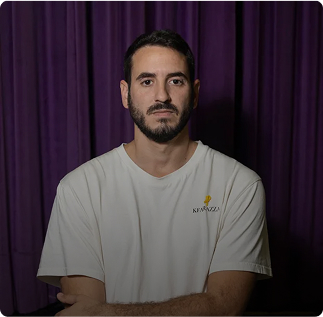
Kfar Aza
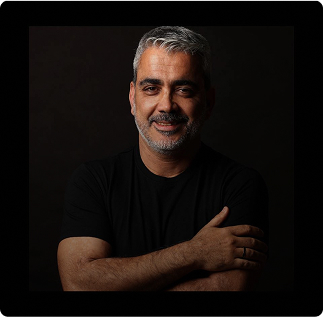
Founder of the Kumu movement and brother of Alon Shamriz z”l, who was mistakenly shot by IDF forces after escaping his captors in Gaza. Yonatan leads social change out of personal pain and a sense of public mission.
Following the tragedy that struck his family, he founded Kumu together with other affected families to represent and unite the voices of residents of the Gaza envelope and the north, to fight for the security and wellbeing of Israel’s citizens, and to demand accountability and transparency from the country’s leadership.
In his work, Yonatan emphasizes unity, repair, and the rebuilding of Israeli society, out of the belief that a better future can — and must — be built for all the country’s citizens.
Ofakim
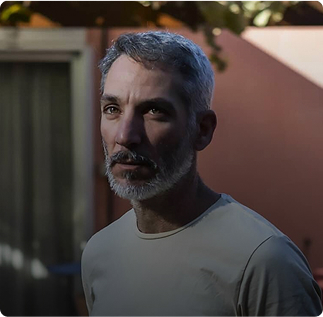
A resident of Ofakim and a CEO, from a family and community struck by the October 7 disaster. Out of the experience of loss and rupture, he chose to join the effort to repair Israeli society and restore public trust in state institutions.
Within Kumu, Shirel works to connect Israelis from all parts of society to advance security and equality, and to demand accountability and transparency from the country’s leadership.
His commitment stems from a deep belief in the power of true solidarity, in the urgent need for change, and in building a stronger, more just country for all its citizens.
Be’eri
An educator and son of Kibbutz Be’eri, Omri lost four members of his family in the October 7 disaster. Out of pain and loss, he chose to act for change and for the repair of Israeli society.
Inspired by Be’eri’s communal spirit, Omri works within Kumu to strengthen mutual responsibility, demand accountability from the country’s leadership, and restore public trust in its institutions.
Drawing on his experience as an educator, Omri brings an educational worldview grounded in connection to values, in shaping the next generation, and in building a stable, cohesive Israeli society — one that grows out of the crisis and leads to a more just, repaired reality.
CEO of Kumu
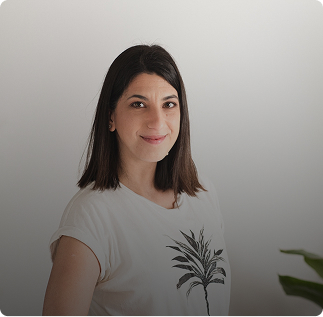
Yafit has worked for years in social-educational entrepreneurship, with at-risk youth, and in leading initiatives for social change. She holds a bachelor’s degree in Law and Government from Reichman University and a master’s in Education Management and Leadership from Tel Aviv University.
Yafit joined Kumu out of a burning sense of urgency as a citizen of this country, and out of the belief that values-driven leadership with national influence can grow from civic grassroots.
Karmiel
A resident of Karmiel, self-employed, married and a mother of four, Haviva lost her sister — paramedic Amit Man z”l, who was murdered in Be’eri on October 7 while trying to save lives. Out of that loss, she chose to act for change and for taking responsibility.
As part of Kumu, Haviva is committed to strengthening unity and solidarity in Israel. She believes in Israeli society’s power to learn from what we have been through, to repair, and to build a just and united future — for our children and the generations to come.
Sderot
32 years old, married to Shir and father to sweet Negev and Nissan. As a resident of Sderot and a reservist called up at the start of the war, Doron experienced October 7 up close. A social worker by profession, he acts out of a sense of mission and a desire to help those in need. Doron is one of Kumu’s leaders and runs the Alon Project, which supports reserve soldiers on their return to civilian life.
Mishmarot
A mother of three sweet girls and a dog, and the wife of Maj. Aryeh Rein z”l, who fell in the Swords of Iron War. A dietitian by profession and a researcher at the Weizmann Institute, Michal joined Kumu following her loss. Within the movement, she is responsible for connecting families to its values and activities, out of faith in people and in the possibility of change and building from within the rupture.
Almog
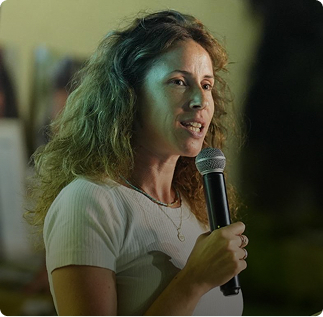
An activist for strengthening Israeli resilience, mother of Arbel, and wife of Lt. Col. Tomer Grinberg z”l, who fell in the war. Ashira became a symbol of resilience and strength when she visited the families of fallen soldiers from Tomer’s battalion — even before the news reached her own doorstep. At the National Memorial Ceremony, Ashira spoke together with her friend Arin Habaka, a Druze IDF widow, in a moving address about friendship and unity across differences. For Ashira, joining the movement came from the desire to rise together from the rupture toward a more responsible, stable, and united Israel.